
Summer is peak home-buying season around Charlotte, and every summer the same expensive lesson gets taught: the buyer waived or skipped the septic inspection, the general home inspector ran water for a few minutes and noted 'appeared functional,' and six months later there's sewage in the yard and a five-figure estimate on the kitchen counter. The septic system is very often the single most expensive component of a home outside the structure itself — and it's the one component the standard process looks at least.
Why the home inspection isn't enough
General home inspectors do valuable work, but septic is explicitly outside most of their scope. They can't open a buried tank, can't measure sludge, can't evaluate a drain field. 'Drains functioned at time of inspection' is a statement about one afternoon of light water use — a failing system passes that test right up until it doesn't. Local home inspectors know this, which is why the good ones refer buyers to a septic specialist rather than sign off on what they can't see.
What a real septic inspection covers
A pre-purchase septic inspection is a physical, opened-up look at the system:
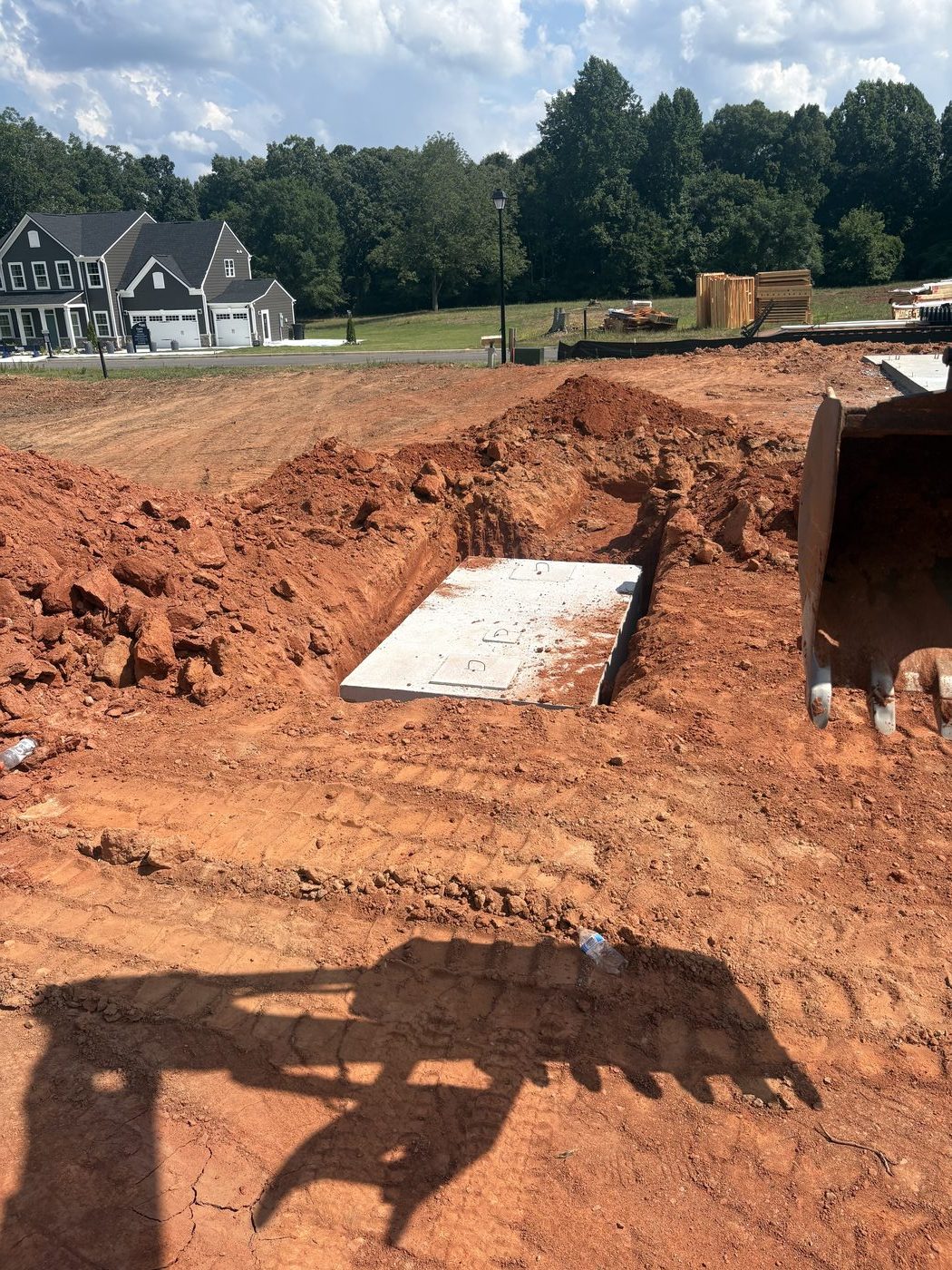
- Locating the tank and access points — on many older properties, nobody alive remembers where the lids are.
- Opening the tank: sludge and scum levels, structural condition, and whether it's been maintained or neglected.
- Baffles and filter — the cheap parts whose failure quietly destroys the expensive parts.
- The lines between house, tank, and field — flow, condition, and any signs of root intrusion or settling.
- The drain field itself — how it's accepting water, plus surface evidence: soggy zones, odors, telltale green stripes.
- Records check — permits and history with the county environmental health office, so you know what the system is and when it was serviced.
Reading the results like a buyer
A finding isn't automatically a deal-breaker — it's a negotiating position. A tank due for pumping is a minor ask. An aging-but-functional system is a fact to price in. A failing drain field is a five-figure conversation that belongs on the seller's side of the table, not waiting in your first year of ownership. The inspection's job is to move every one of those discoveries from 'after closing, your problem' to 'before closing, negotiable.'
Plenty of inspections end with genuinely good news — a healthy system and a documented baseline for your maintenance schedule. That's worth having too.
Fitting it into your due-diligence window
North Carolina's due-diligence period is short and unforgiving, and summer calendars fill fast. Tell the scheduler your deadline when you book — inspection findings that arrive after your window closes are just expensive trivia. We work real-estate timelines constantly and deliver findings you can hand directly to your agent: photos, plain English, and a clear now-versus-later verdict.
Quick answers
Who pays for the septic inspection — buyer or seller?
Usually the buyer, as part of due diligence — you're the one who needs the unbiased answer. Sellers sometimes commission their own pre-listing inspection to smooth the sale; if so, read it, but understand who the client was.
The seller says the tank was 'just pumped.' Isn't that enough?
Pumping empties the tank — it doesn't evaluate the system, and it can temporarily hide symptoms of a failing field. A recently pumped tank plus an inspection is great. A pump receipt instead of an inspection is not.
How long does a pre-purchase septic inspection take?
Typically a couple of hours on site depending on whether the tank needs locating and digging to access. Findings are walked through with you the same visit, so nothing waits on a report to start the conversation.
Can you inspect a septic system anywhere around Charlotte?
We cover Charlotte and the surrounding communities across the Mecklenburg, Union, Cabarrus, Iredell, and Gaston county areas — including Waxhaw, Matthews, Monroe, Concord, Huntersville, Davidson, and Mooresville.
Dealing with this right now? Start with our inspection service page — or skip straight to the form below.